Flannan Isles Lighthouse: The New Trace Evidence
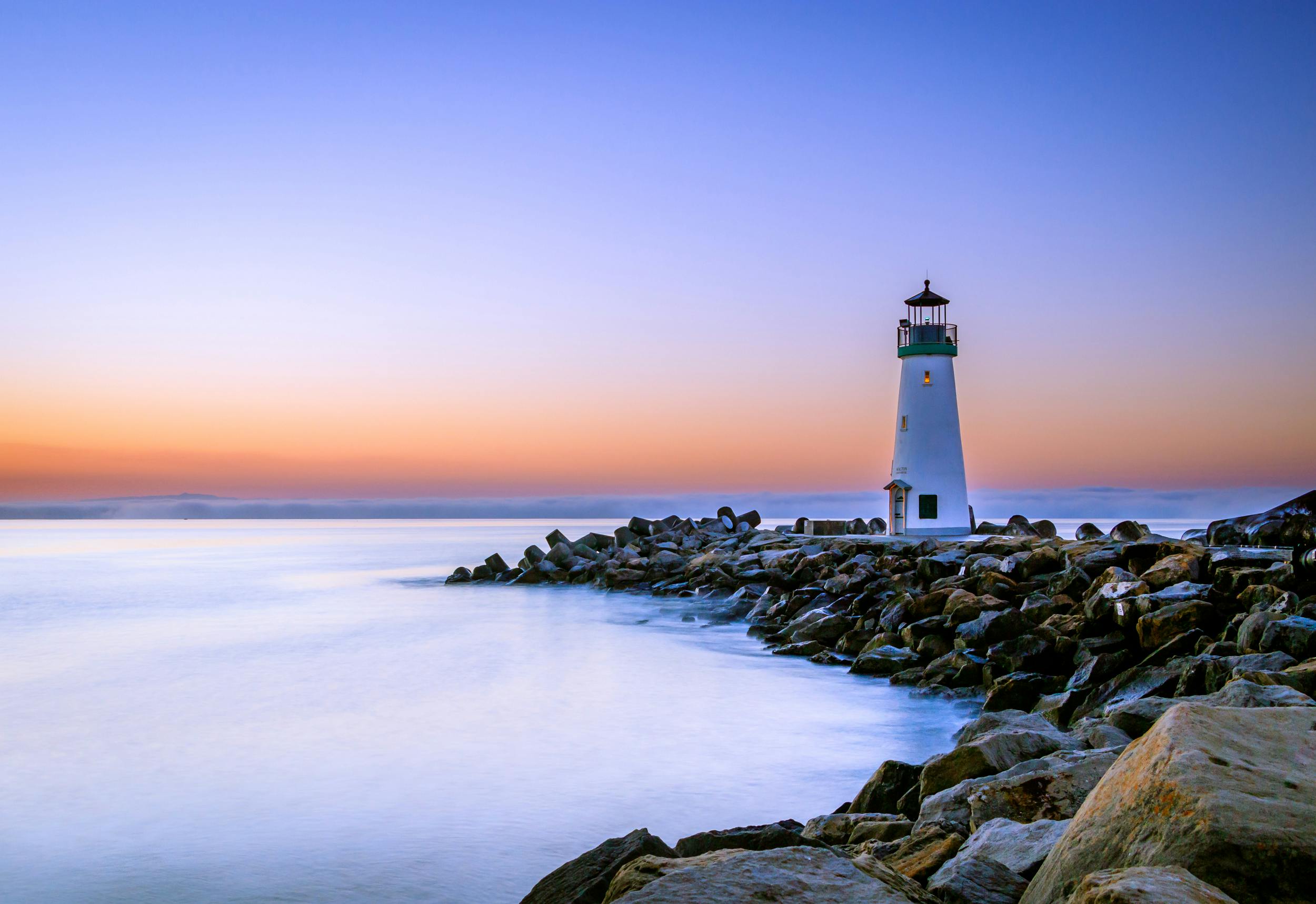
The Flannan Isles Lighthouse mystery began on December 26, 1900, when a relief ship arrived at a remote island in Scotland and found all three keepers gone. The heavy oak door was locked, the fire was dead, and two of the three heavy storm coats were missing from the wall. No trace of Thomas Marshall, James Ducat, or Donald MacArthur has ever been found.
What happened at the Flannan Isles Lighthouse in 1900?
On December 15, 1900, a passing ship named the Transporter noticed that the light on the outer island of Eilean Mor was dark. The crew reported this when they docked, but a bad storm delayed the relief vessel, the Hesperus, for days. When the captain finally landed on the island on day day after Christmas, nobody came to greet him. The island flag was missing, and the supply boxes were left untouched on the landing stage.
When the relief keeper went inside the tower, he found a scene frozen in time. The kitchen clock had stopped, the table was set for a meal that was never eaten, and an overturned chair rested near the hearth. The official logbook was filled out up to December 15. The last lines on the slate board spoke of terrible winds, hard rain, and low spirits among the men, yet weather reports from nearby islands showed no severe storms hit the area on those days.
The official timeline of the disappearance
To understand how three experienced men could disappear without a sound, we must look at the exact timeline established by the lighthouse board inquiry. Every detail matters when trying to piece together their final hours on Eilean Mor.
- December 6, 1900: Donald MacArthur arrives on the island to cover a standard rotation shift.
- December 12, 1900: The first strange entries appear in the daily log, describing a massive storm that made tough men cry.
- December 15, 1900: The last entry is written, stating simply that the storm had ended and God was over all. That same night, a passing ship reports the light is out.
- December 26, 1900: The relief ship Hesperus arrives and finds the island empty.
The theory of the rogue wave
The official report made by the Northern Lighthouse Board concluded that a giant wave swept the men into the icy sea. The West Landing area showed massive damage. Iron railings were bent out of shape, a heavy iron supply crane was torn from its concrete base, and rocks weighing over a ton had been shoved out of place high up on the cliff. You can read more about the official history of the Flannan Isles Lighthouse and its construction on the ocean rocks.
The theory suggests that two men went down to the landing site to secure a rope during a sudden, violent swell. When a massive wave rushed up the steep rocks, the third man likely ran down without his coat to help them, only for a second rogue wave to wash all three off the cliff face. Ocean scientists today confirm that the shape of the seabed around the Flannan Isles can cause sudden freak waves even when the surrounding sea looks calm.
Why small details do not match the rogue wave theory
While the freak wave theory makes physical sense, several odd facts keep this file open in the minds of researchers. Scottish lighthouse rules were extremely strict. A lighthouse was never allowed to be left completely unmanned, meaning at least one keeper had to stay inside the tower at all times by law. MacArthur was a veteran worker who knew he would lose his job and pay if he left the light room unattended.
Also, one oilskin coat was left hanging on its hook inside the hallway, while the other two were gone. If all three men went down to the waves together, why did one leave his outer gear behind in the middle of a freezing winter afternoon? The heavy door was also closed and locked tight behind them. A person running out in a sudden panic to save a friend does not take the time to latch a thick iron-studded door behind them.
What you can learn from the evidence today
If you want to evaluate this cold case yourself, compare the logbook notes with the actual lighthouse rules of the era. The log entries mention that MacArthur, a rough former soldier known for his toughness, wept during the wind, while Ducat was unusually silent. This has led some psychologists to believe the men suffered from severe isolation sickness caused by days of heavy fog and howling wind.
Next time you read a mystery, look at the physical clues instead of the legends that grew later. The poem written years after the event claimed there was a half-eaten meal on the table, but the original log by the relief crew shows the table was clean and ready for dinner. Sticking to primary documents is the only way to separate island ghost stories from true ocean history.


Comments
Post a Comment